


How to Choose a Middle Eastern Restaurant in Malaysia

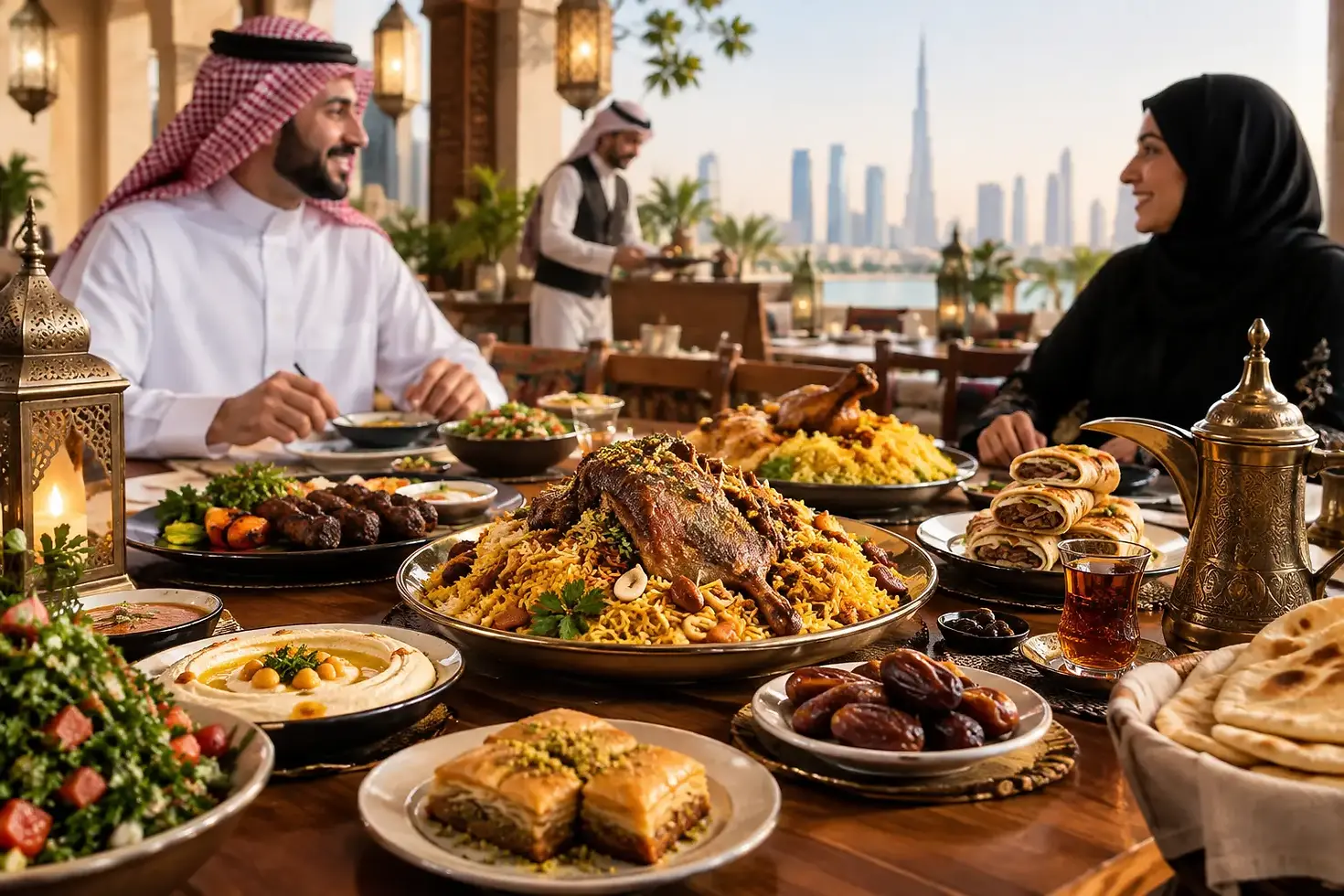
A memorable Arabic meal is rarely just about what arrives on the table. It is the fragrance of slow-cooked rice, the tenderness of carefully prepared meat, the warmth of fresh bread, and the feeling that everyone at the table has been well looked after. When choosing a middle eastern restaurant malaysia diners can rely on, authenticity, halal integrity, and genuine hospitality should all be part of the experience.
Malaysia is home to diners who know good food and enjoy sharing it. Families gather over generous platters, professionals look for satisfying business lunches, and visitors seek flavors that feel true to the Middle East rather than a simplified version of it. The right restaurant makes those moments easy to enjoy, whether you are dining in, picking up dinner, arranging delivery, or planning an important event.
What Makes a Middle Eastern Restaurant in Malaysia Worth Visiting?
Middle Eastern cuisine covers many regional traditions, so no two menus should look exactly alike. Yemeni cooking, for example, is known for deeply fragrant rice dishes, slow-cooked meats, rich broths, fresh grills, and comforting shared meals. A thoughtful restaurant respects those roots while making guests from every background feel welcome.
Start with the food itself. Authenticity is not about using unfamiliar names on a menu. It comes through in the preparation: aromatic spice blends used with balance, rice cooked to carry flavor without becoming heavy, meat prepared with patience, and sauces or broths that add character rather than simply heat. Quality ingredients matter because traditional dishes are often simple in structure. When the ingredients and cooking methods are right, the result speaks for itself.
Consistency matters just as much. A restaurant may serve an excellent meal once, but trusted dining is built over repeated visits. Guests should feel confident ordering their favorite Mandi, Kabsa, Haneeth, Madghout, Maqlubah, kebab, or shawarma wrap because they know the care behind the dish will remain dependable.
For many guests, halal-certified dining is also essential. Clear halal standards offer reassurance for family meals, business gatherings, celebrations, and hosted events. They allow customers to focus on the people around the table and enjoy their meal with confidence.
Start With the Dish You Want to Experience
If it is your first visit to a Yemeni or Arabic restaurant, choosing one signature dish is a great way to understand the kitchen's style. Mandi is often a natural introduction. It pairs fragrant long-grain rice with tender meat or chicken, traditionally prepared to develop a gentle smoky depth and aromatic finish. It is satisfying without needing complicated presentation.
Kabsa is another excellent choice for guests who enjoy rice dishes with bolder spice character. While both Mandi and Kabsa are beloved shared meals, their flavor profiles and methods can differ. That distinction is part of the pleasure. It is worth trying each dish on separate visits rather than assuming that every rice platter will taste the same.
For a more indulgent meal, Haneeth is prized for its tender, slow-cooked texture. It is a dish for diners who appreciate meat prepared patiently, allowing natural richness and seasoning to come together. Madghout offers another comforting rice-and-meat experience, while Maqlubah brings a different style of layered, home-style Middle Eastern cooking.
Do not overlook dishes that bring contrast to the table. Fahsa, with its hearty and deeply savory character, can turn a meal into a more traditional Yemeni experience. Fresh grills and kebabs add a satisfying char and are ideal for guests who prefer a straightforward protein-focused plate. Shawarma wraps work particularly well for a quick lunch, takeaway, or casual meal on the go.
The best order depends on the occasion. A solo lunch may call for a wrap or grill, while a family gathering is better suited to a shared rice platter and several complementary dishes. There is no single correct order, only the right balance for your table.
Look Beyond the Main Course
A strong Middle Eastern dining experience is shaped by the details around the main dish. Freshly prepared sides, traditional desserts, and authentic Arabic beverages can change a meal from convenient to memorable. These elements also make the table feel more generous, especially when guests are sharing.
Service matters here, too. Staff should be able to help first-time diners understand the menu without making it feel complicated. A welcoming recommendation can be more useful than a long explanation: choose a signature rice dish for the group, add a grill for variety, and finish with a dessert or beverage that suits the occasion.
Portion size is another practical consideration. Middle Eastern cuisine is naturally suited to sharing, but group needs vary. A couple may prefer individual meals, while a larger family often benefits from dishes designed for the center of the table. For office lunches and celebrations, choosing a restaurant experienced in organizing group orders can save time and prevent unnecessary guesswork.
Convenience Should Not Compromise Quality
A great meal should fit the way you live. Some days call for a relaxed dine-in experience where guests can settle in and enjoy Arabian hospitality. On other days, takeaway, delivery, or contactless pickup makes more sense. The standard of care should remain the same across each option.
This is especially valuable in Kuala Lumpur and the wider Klang Valley, where busy workdays, family schedules, and traffic can shape dining decisions. Easy reservations, organized ordering, reliable packaging, and clear communication all make a difference. A beautifully prepared Mandi is still meant to arrive in a condition that allows its aroma, texture, and warmth to be enjoyed.
Hadramawt Kitchen®, the original trademarked brand serving Malaysia since 2012, brings this balance of authentic Yemeni heritage and modern hospitality to guests in Glenmarie, Shah Alam, and Bangsar. From dine-in meals to takeaway, delivery, reservations, and loyalty rewards, the focus remains on making authentic Arabic dining welcoming and convenient.
Choosing a Middle Eastern Restaurant for Groups and Events
Restaurants are often judged by individual meals, but catering reveals how well a kitchen manages quality at scale. Corporate functions, embassy gatherings, weddings, birthdays, religious occasions, private celebrations, and university events each have different requirements. The food must be generous and well organized, but the service also needs to be dependable.
When planning an event, ask practical questions early. Can the menu be adjusted for the number of guests? Is there a suitable mix of signature rice dishes, grills, wraps, desserts, and beverages? Will delivery and setup suit the venue and schedule? A professional catering team should help make these decisions clearer, not more stressful.
For formal events, shared platters can create a welcoming sense of occasion. For workplace settings, individually packed meals may be more practical. Neither approach is better in every situation. The right choice depends on guest count, venue setup, timing, and the type of experience you want to create.
The Feeling Guests Remember
People may remember the tenderness of Haneeth or the aroma of Mandi, but they also remember how a restaurant made them feel. Were they welcomed warmly? Was the table comfortable for a family? Was a large order handled with care? Did the meal make a business lunch, celebration, or simple evening together feel easier and more special?
That is the standard worth looking for. Choose a restaurant that respects the culinary traditions behind the food while offering the quality, cleanliness, service, and convenience modern guests expect. Bring the people you enjoy most, order with confidence, and let a generous Middle Eastern meal create the kind of moment that invites everyone back to the table.


Comments