


Yemeni Food vs Lebanese: What Sets Them Apart
- Hadramawt Kitchen

- 34 minutes ago
- 5 min read
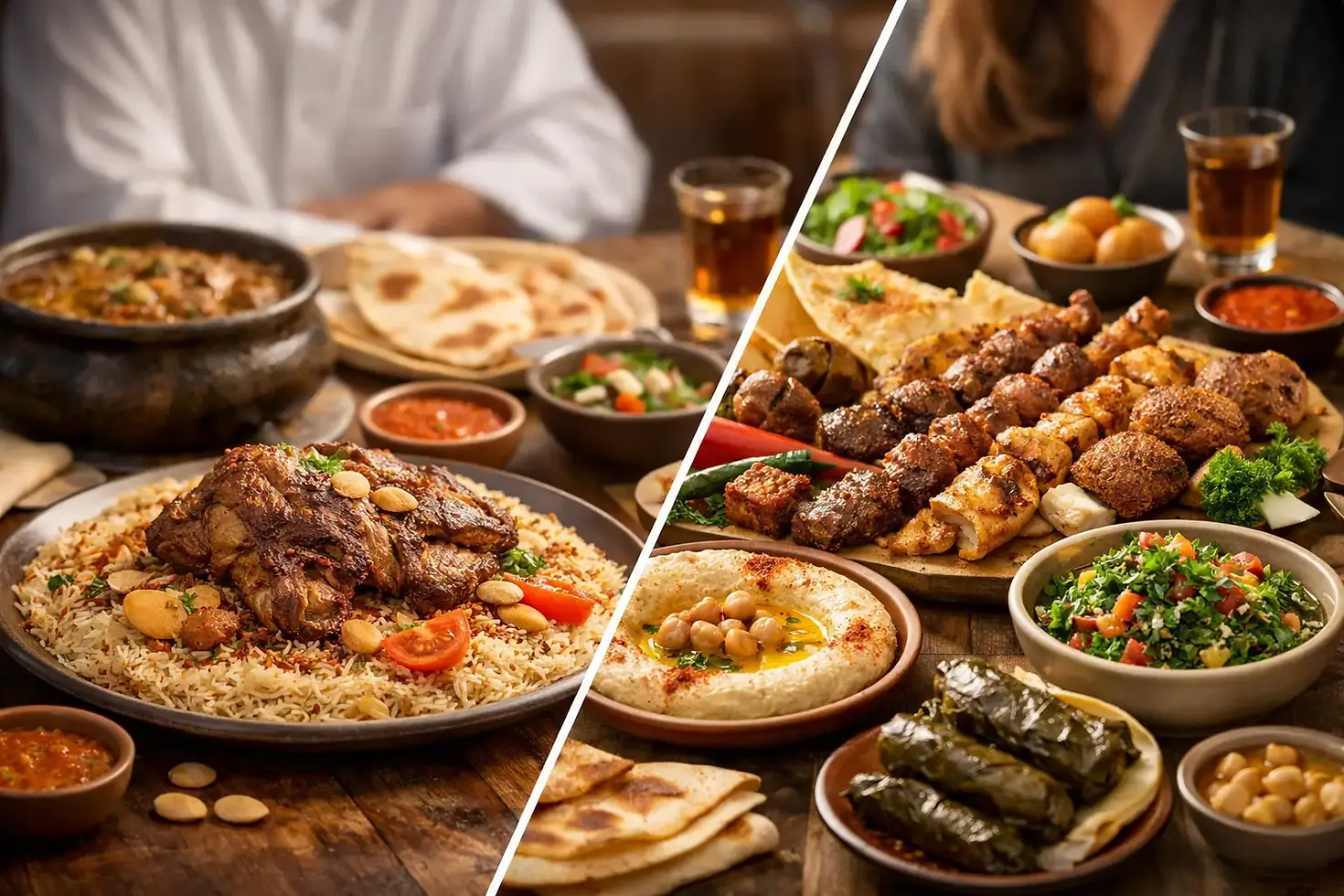
A table filled with fragrant rice, slow-cooked lamb, warm bread, and a shared platter can belong to many Middle Eastern traditions. Yet when it comes to Yemeni food vs Lebanese cuisine, the experience can feel quite different. Yemeni cooking often centers on deeply seasoned rice dishes, hearty meats, and comforting stews, while Lebanese food is widely known for fresh mezze, grilled specialties, herbs, and bright citrus notes. Both are generous, welcoming cuisines made for sharing, but each brings its own character to the table.
Yemeni Food vs Lebanese Cuisine: The Main Difference
The clearest distinction is the role of the meal’s centerpiece. Yemeni cuisine frequently builds the table around a substantial rice-and-meat dish such as mandi, kabsa, haneeth, or madghout. The aroma arrives first: rice perfumed with whole spices, tender chicken or lamb, and the subtle smokiness created by traditional cooking methods. These are satisfying dishes designed to feed families and groups generously.
Lebanese cuisine often begins with variety. A meal may open with several smaller plates, including hummus, baba ghanoush, fattoush, tabbouleh, labneh, stuffed grape leaves, and fresh bread. Grilled meats such as kebab and shish tawook may follow, but the table is usually defined by its range of textures and flavors as much as by one main dish.
Neither approach is better. It depends on what you are craving and how you want to dine. If you want a comforting, aromatic platter with rice at its heart, Yemeni food is a natural choice. If you prefer to sample several lighter dishes and fresh salads over a longer conversation, Lebanese-style mezze may be the better fit.
Rice Is Central in Yemeni Cooking
Rice carries special importance in Yemeni cuisine. Mandi is perhaps the dish many first-time guests recognize: basmati rice is cooked with spices and served with chicken or lamb that has been prepared to achieve exceptional tenderness. Its flavor is warm and savory rather than aggressively spicy, often drawing on ingredients such as cardamom, cloves, cinnamon, cumin, black pepper, and bay leaves.
Haneeth takes a different route. The meat is traditionally cooked slowly until it becomes soft and richly flavorful, then served with rice. Fahsa, meanwhile, is a more rustic Yemeni specialty, commonly featuring shredded meat in a hot stone bowl with a deeply savory sauce. It offers a heartier, more concentrated experience than a rice platter.
Lebanese food certainly includes rice, especially alongside meats and stuffed vegetables, but rice is usually not the defining feature of every meal. Lebanese dining is more likely to place equal attention on bread, vegetables, dips, salads, and grilled items. In a simple comparison, Yemeni food often feels more centered on a main plate, while Lebanese food often feels more spread across the table.
Bread, Mezze, and Shared Plates
Bread is meaningful in both cuisines, but it is used differently. Yemeni meals may include freshly baked flatbread to enjoy with stews, sauces, and meat dishes. It is practical, comforting, and ideal for gathering up every bit of flavor from the plate.
In Lebanese cuisine, pita bread is frequently part of the mezze experience. It is used to scoop creamy hummus, smoky eggplant dip, or seasoned yogurt, turning small shared plates into a complete and social meal. Fresh herbs, olive oil, lemon, tomatoes, cucumbers, and chickpeas are familiar elements in many Lebanese dishes.
That does not mean Yemeni food lacks freshness or Lebanese food lacks warmth. Both cuisines use vegetables, bread, sauces, and herbs with care. The difference is one of emphasis. Lebanese food often presents freshness right at the beginning of the meal, while Yemeni food often leads with the slow-cooked depth of rice, meat, broth, and spices.
A Note on Spices and Heat
Yemeni dishes are known for layered spice blends that create fragrance and warmth. The goal is generally balance, allowing the flavor of the meat and rice to remain present. Some dishes may be served with sahawiq, a lively chili-based sauce that lets each guest add more heat to taste.
Lebanese seasoning often leans toward bright, herbal, tangy flavors. Garlic, lemon, parsley, mint, sumac, and olive oil can bring a clean contrast to grilled meats and rich dips. There is plenty of seasoning, but it often feels lighter and sharper on the palate.
For guests deciding between the two, think of Yemeni spices as deep and aromatic, and Lebanese flavors as fresh and lively. Of course, recipes vary from one household and restaurant to another, so these are useful guides rather than fixed rules.
Meat and Cooking Methods
Both cuisines celebrate well-prepared meat, especially lamb and chicken. The cooking style is where the difference becomes especially memorable. Yemeni cuisine is closely associated with slow cooking and rice preparations that allow meat juices and spices to develop over time. Mandi is traditionally linked with a tandoor-like underground cooking method, which helps create its signature aroma and tenderness.
Lebanese cooking is especially admired for its grills. Skewered chicken, lamb, and minced-meat kebabs are seasoned and cooked over heat for a lightly charred exterior and juicy center. These are often served with garlic sauce, grilled vegetables, rice, or bread, along with salads and mezze.
If the occasion calls for a filling family lunch, a large Yemeni rice platter makes a strong choice. For a business meal or a group that enjoys picking from several dishes, Lebanese grills and mezze can offer flexibility. For celebrations, both cuisines work beautifully because they are naturally generous and designed to be shared.
Which Cuisine Is Better for Your Occasion?
Choose Yemeni food when you want a satisfying main dish that feels warm, abundant, and deeply traditional. It is especially suited to family gatherings, group meals, and anyone eager to try aromatic rice paired with tender chicken or lamb. The portions and communal serving style make it easy to create a meal that feels like an occasion.
Choose Lebanese food when your group enjoys variety, vegetable-forward plates, dips, salads, and grilled dishes. Mezze offers an easy way for everyone at the table to try something different, which can be helpful when diners have varied appetites.
There is also no need to choose only one cuisine forever. A guest who loves Lebanese hummus and grilled kebabs may also fall in love with Yemeni mandi or haneeth. Middle Eastern food is not one single style of cooking. It is a collection of regional traditions, each shaped by local ingredients, family recipes, and the pleasure of offering guests a full table.
Experience Authentic Yemeni Hospitality
For those in the Klang Valley who want to understand Yemeni cuisine beyond a quick comparison, the best introduction is to sit down to a properly prepared platter. At Hadramawt Kitchen®, the original trademarked Hadramawt Kitchen® serving Malaysia since 2012, guests can enjoy HALAL-certified Yemeni and Middle Eastern favorites prepared with premium ingredients, generous portions, and genuine Arabian hospitality.
Mandi, kabsa, haneeth, madghout, fahsa, fresh grills, kebabs, and shawarma each offer a different way to experience the region’s cooking. Whether you are planning a relaxed family dinner, ordering a convenient meal for pickup or delivery, or arranging catering for a corporate function or private event, a shared Middle Eastern meal brings people together with ease.
The most rewarding choice is the one that matches your appetite: order Lebanese mezze when you want a colorful spread, and choose Yemeni rice and slow-cooked meat when you want comfort served generously. Better still, bring people you enjoy to the table and let the meal start the conversation.


Comments