


Corporate Lunch Platter Example for Better Meetings

A good corporate lunch does more than fill a break between presentations. It keeps guests comfortable, respects different appetites, and gives a team something worth gathering around. This corporate lunch platter example shows how a generous, HALAL-certified Yemeni and Middle Eastern spread can make a meeting, training session, client visit, or staff appreciation lunch feel properly hosted.
For office catering, the goal is not to put every dish on the table. It is to create a balanced selection that travels well, serves smoothly, and gives every guest a satisfying choice. Fragrant rice, tender slow-cooked meats, fresh grills, crisp salads, warm bread, and traditional drinks make that balance easy to achieve.
What Makes a Corporate Lunch Platter Work?
A corporate platter should be easy to share without feeling impersonal. Individual boxed meals are useful for tightly timed sessions or workplaces with limited serving space, but shared platters create a more welcoming atmosphere when colleagues and clients are sitting together. They encourage conversation while allowing guests to choose the portions and flavors that suit them.
The best format depends on your event. A small leadership meeting may benefit from a refined mixed grill platter with light sides. A larger training day usually needs hearty rice dishes that can serve many people efficiently. For a client lunch, including familiar choices alongside more distinctive Yemeni specialties offers an appealing introduction to Middle Eastern cuisine without asking guests to be overly adventurous.
Reliability matters just as much as variety. Food should arrive organized, clearly planned for the group size, and ready to serve at the right time. A professional caterer can help account for the number of attendees, serving setup, delivery access, dietary preferences, and whether the occasion calls for a quick working lunch or a more relaxed meal.
A Corporate Lunch Platter Example for 15 Guests
Imagine a midday strategy session for 15 colleagues and visiting partners. The meeting runs from late morning into the afternoon, so the food needs to be substantial but not overly complicated to serve. A well-rounded platter order could center on signature rice dishes, add a selection of grilled favorites, and finish with fresh accompaniments that brighten the meal.
The main platters
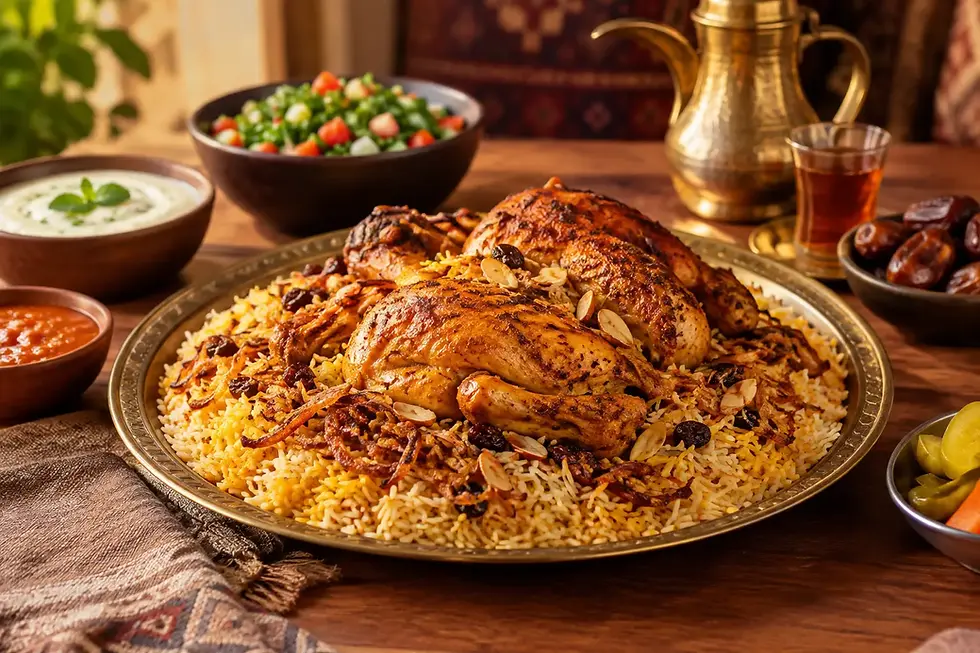
Start with two generous rice platters, such as Chicken Mandi and Lamb Kabsa. Mandi brings aromatic long-grain rice and carefully cooked chicken together in a dish that is both comforting and impressive on a shared table. Lamb Kabsa adds another layer of richness, with fragrant seasoned rice and tender lamb for guests who prefer a deeper, more celebratory flavor.
For variety, add a mixed grill platter featuring kebab and grilled chicken. This is particularly useful for guests who may prefer grilled items over a rice-based main. The contrast between smoky grilled flavors and gently spiced rice makes the full spread feel considered rather than repetitive.
If the gathering is hosted around a longer lunch break, Haneeth can be a standout addition. Its slow-cooked preparation and tender texture give the table a signature Yemeni centerpiece. For a smaller meeting or a lighter budget, one rice platter, one grill platter, and additional sides may be the more practical choice.
Fresh sides that complete the table
Rice and grills need fresh elements alongside them. Include a mixed Arabic salad for crunch and brightness, plus hummus and warm bread for easy sharing. These items are simple, familiar, and helpful for guests who want a lighter plate or would like something to enjoy before the main dishes are served.
A spicy sauce or traditional accompaniment can be served separately so each guest can decide how much flavor and heat they prefer. This is a small detail, but it makes a corporate meal more considerate of different tastes.
For 15 guests, plan enough sides for everyone to enjoy rather than treating them as decoration. A platter can look abundant at first, yet feel incomplete if there is only a small bowl of salad or a limited amount of bread. Generous serving is part of good Arabian hospitality, especially when hosting clients or rewarding a hardworking team.
Drinks and a sweet finish
Traditional Arabic beverages or chilled bottled drinks are a practical addition, particularly for meetings held in warm weather or rooms with limited refreshment facilities. Serve drinks separately from the main platters so the lunch table remains organized.
For dessert, choose a shareable Middle Eastern sweet that provides a pleasant closing bite without turning a workday lunch into a lengthy formal meal. The right dessert feels thoughtful and celebratory, whether the occasion is a project milestone, a departmental welcome, or a meeting with valued guests.
How Much Food Should You Order?
Portion planning depends on the time of day, the makeup of the group, and the meeting agenda. A lunch held after a morning workshop generally calls for more substantial portions than a brief afternoon client discussion. Teams with a mix of guests who are already familiar with rice platters and those trying Yemeni cuisine for the first time may also appreciate extra grilled items and sides.
Rather than ordering every dish in equal quantities, build around two or three dependable mains. For example, a group of 15 could have a rice-based chicken option, a lamb or beef option, and a grill selection. Then add salad, dips, bread, drinks, and dessert based on the duration and formality of the event.
It is also wise to allow for a little extra when the lunch is intended as an appreciation gesture or a hosted client occasion. A table that still has food available conveys care. However, more is not always better if there is no time or space to serve it properly. Discuss the event format with your catering team so portions match the occasion.
Planning for Different Corporate Occasions
A working lunch needs food that can be served quickly and eaten comfortably between discussion points. Rice platters with chicken, lamb, or grills are ideal because they are filling, easy to portion, and familiar to a wide range of guests. Keep the setup compact, with serving utensils, napkins, plates, and clearly arranged sides.
For a client presentation, presentation matters more. Choose a balanced spread with a signature dish such as Haneeth or Mandi, a grill platter, fresh salad, dips, and a modest dessert. The food becomes part of the welcome, reflecting the care behind the meeting without taking attention away from the purpose of the visit.
For staff celebrations, variety can be more generous. Add Shawarma Wraps or extra kebabs alongside larger platters, especially when guests may be arriving and eating at slightly different times. A buffet-style arrangement works well here, as long as there is enough table space and a clear serving flow.
Questions to Confirm Before Ordering
A few details prevent last-minute catering stress. Confirm the final guest count, lunch time, delivery location, building access, and whether your team needs serving ware. Ask guests in advance about dietary needs and preferences so the selection can be planned thoughtfully. HALAL-certified catering is especially valuable for organizations hosting diverse teams and visitors, as it provides confidence in the meal’s preparation and suitability.
It also helps to decide whether the food will be served immediately or held for a scheduled break. Freshly prepared grilled dishes, rice platters, salads, and bread are at their best when timing is coordinated. If your office has a reception desk, security checkpoint, or limited parking, share those details early with the catering provider.
Hadramawt Kitchen has served Malaysia since 2012 with authentic Yemeni and Middle Eastern cuisine, generous portions, and professional catering support for corporate occasions across the Klang Valley. For meetings in Kuala Lumpur, Shah Alam, and surrounding areas, a well-planned order allows your team to focus on the agenda while the lunch feels warm, polished, and genuinely welcoming.
The most memorable corporate meals are not necessarily the most elaborate. They are the ones where every guest finds something satisfying, the host never has to worry about the details, and the table leaves people with a reason to stay for one more conversation.


Comments