


Why Chicken Mandi Is a Yemeni Table Favorite

A great plate of chicken mandi announces itself before the first bite. There is the gentle aroma of long-grain rice, warm spices, roasted chicken, and a subtle smokiness that turns a simple meal into something guests naturally want to share. Rooted in Yemeni cooking, chicken mandi is a generous, comforting dish that brings families, colleagues, and friends to the same table.
What Makes Chicken Mandi Special?
Chicken mandi is one of Yemen's best-known rice dishes, admired for its balance rather than overwhelming heat. Tender chicken is traditionally cooked with fragrant rice, carefully selected spices, and an aroma that is warm, savory, and inviting. The dish is often associated with special gatherings, but its appeal is just as strong for a relaxed lunch, a family dinner, or an easy meal ordered to enjoy at home.
The name mandi is commonly linked to the traditional method of cooking meat in a covered underground oven. In this technique, the meat cooks slowly above the rice, allowing its juices and flavor to enhance every grain below. Modern professional kitchens may adapt the method for consistency, food safety, and service, yet the goal remains the same: juicy chicken, beautifully scented rice, and a depth of flavor that feels true to Yemeni hospitality.
Mandi is not meant to be complicated food. Its beauty is in the care behind it. Good rice should be light and aromatic, not oily or heavy. The chicken should have a roasted finish and tender texture without losing its character. The spices should complement the ingredients, not mask them.
The Flavor of an Authentic Chicken Mandi Plate
The first impression of chicken mandi is usually fragrance. Rice may be prepared with spices such as cumin, cardamom, cloves, cinnamon, black pepper, and bay leaf, with each kitchen bringing its own measured approach. Saffron or turmeric may contribute a golden color, while roasted onions, stock, and natural chicken juices create the savory foundation.
The chicken is equally important. It should be well seasoned and cooked until tender, with a pleasing roasted exterior. A touch of smokiness is often part of the experience, giving the dish its distinct character without making it taste overly charred. This contrast between soft rice, juicy chicken, fragrant spice, and gentle smoke is why mandi remains memorable long after the meal is finished.
For guests trying Middle Eastern food for the first time, mandi is often an approachable place to begin. It is flavorful but not necessarily fiery, and it offers familiar comforts through roasted chicken and rice while introducing the distinctive spice profile of Yemeni cuisine. Those who prefer additional heat can enjoy it with chili sauce, while diners who appreciate brighter flavors may pair it with tomato-based salad, yogurt, or a fresh Arabic-style side.
Mandi, Kabsa, and Other Rice Dishes
Chicken mandi is sometimes grouped together with kabsa because both are celebrated Arabic rice dishes served with chicken. They share the pleasure of fragrant rice and generous portions, but they are not identical. Mandi is especially known for its cooking tradition, subtle smokiness, and the way the chicken flavors the rice. Kabsa can have a richer tomato presence and a different spice balance, depending on the recipe.
Neither dish needs to be “better” than the other. The right choice depends on what you are craving. Choose mandi when you want a lighter, aromatic rice dish with a distinctive roasted character. Choose kabsa when you are in the mood for a bolder, more deeply seasoned rice experience. For a table with several guests, ordering more than one specialty is a welcoming way to explore the variety of Arabic cuisine.
A Meal Designed for Sharing
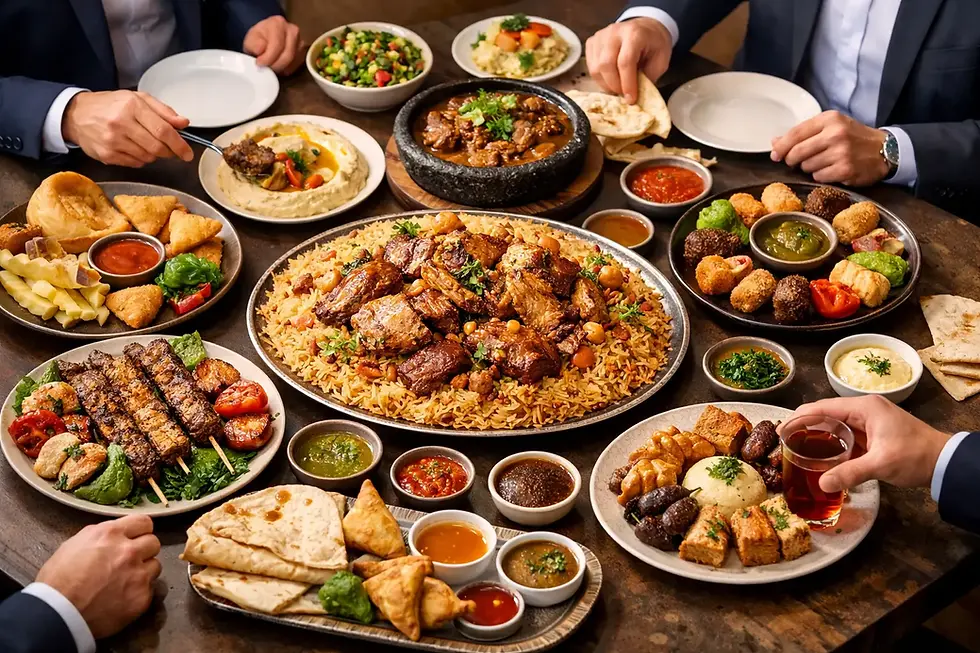
Mandi has a natural place at gatherings because it is filling, visually inviting, and easy to enjoy together. A generous serving of rice with chicken at the center encourages conversation before anyone has even started eating. It suits weekend family meals, celebrations, office lunches, visiting guests, and group occasions where a familiar plate of chicken and rice needs to feel more special.
For hosts, the practical advantage is clear. A well-prepared mandi order gives guests a complete centerpiece rather than a collection of small items that may not satisfy everyone. Add fresh salads, grilled selections, or traditional desserts when the occasion calls for a fuller spread. For smaller meals, chicken mandi can still feel complete on its own, especially when served with sauce and a refreshing beverage.
The serving style also reflects a valued part of Arabian hospitality: generosity. Guests should feel welcomed, well fed, and comfortable taking their time at the table. That is why mandi works so well for both casual and meaningful occasions. It offers familiar comfort while still carrying the sense of occasion people expect from a traditional Yemeni meal.
What to Look for When Ordering Mandi
Authenticity is not only about the name of the dish. It shows in the balance of the rice, the quality of the chicken, the freshness of the ingredients, and the care taken from kitchen to table. A satisfying mandi should arrive hot, neatly presented, and ready to enjoy without needing excessive sauces or seasoning to compensate for weak flavor.
For takeaway or delivery, packaging matters as well. Rice should remain fluffy, chicken should retain its tenderness, and sauces should be packed carefully so guests can add them to their preferred taste. If you are ordering for a group, consider the number of diners, the mix of adults and children, and whether you would like complementary grills or sides. A thoughtful order makes the meal easier to serve and more enjoyable for everyone.
For workplace lunches, private celebrations, and larger functions, mandi is a dependable choice because it is satisfying, recognizable, and suitable for sharing. Professional catering also helps hosts focus on their guests rather than managing food preparation. The key is choosing a restaurant that understands portion planning, timely service, halal standards, and the importance of presenting traditional food with genuine care.
Yemeni Hospitality at the Heart of the Meal
At Hadramawt Kitchen®, chicken mandi is part of a larger tradition of authentic Yemeni and Middle Eastern dining, prepared with premium ingredients and HALAL-certified quality. Since serving Malaysia in 2012, the original trademarked Hadramawt Kitchen® has welcomed diners seeking generous portions, warm service, and dishes that respect the flavors of Yemen.
Whether you are planning a relaxed dine-in meal, arranging takeaway after a busy day, ordering delivery, or hosting a corporate or family event, mandi brings both convenience and character to the occasion. It is a dish that feels generous without being fussy, and traditional without being unfamiliar.
The next time you want a meal that does more than fill the table, choose chicken mandi for its fragrant rice, carefully roasted chicken, and the simple pleasure of sharing a true Yemeni favorite with people you value.


Comments