


Middle Eastern Restaurant Shah Alam Favorites

A satisfying Arabic meal is not just about choosing rice or grilled meat. It is the fragrance of slow-cooked spices arriving at the table, the comfort of a generous shared platter, and the welcome that makes every guest feel at home. When searching for a middle eastern restaurant shah alam diners can return to for family meals, business lunches, and celebrations, authenticity and consistency make all the difference.
At Hadramawt Kitchen®, guests are welcomed into the rich food traditions of Yemen and the wider Middle East. Proudly serving Malaysia since 2012, our HALAL-certified restaurant brings traditional recipes, premium ingredients, and warm Arabian hospitality together in a setting designed for comfortable, memorable dining.
Choosing a Middle Eastern Restaurant in Shah Alam
Middle Eastern cuisine covers many regional traditions, so the best choice depends on the experience you want. A quick shawarma wrap can be ideal for a busy workday, while a rice platter with tender lamb or chicken suits a leisurely meal with colleagues, friends, or family. For a larger gathering, dishes intended for sharing create a more welcoming table than individual orders alone.
Look for a restaurant that respects the character of each dish rather than treating every menu item as the same. Yemeni cooking is especially valued for aromatic rice, patiently prepared meats, hearty stews, and spice blends that bring warmth without overwhelming the ingredients. The goal is balance: fragrant rice, savory stock, properly cooked meat, fresh accompaniments, and sauces that add contrast.
HALAL-certified quality also matters to many guests. It offers reassurance when organizing meals for mixed groups, family events, or professional functions. Cleanliness, attentive service, and reliable portions are equally important, particularly when you are introducing guests to Middle Eastern food for the first time.
The Yemeni Dishes Worth Ordering
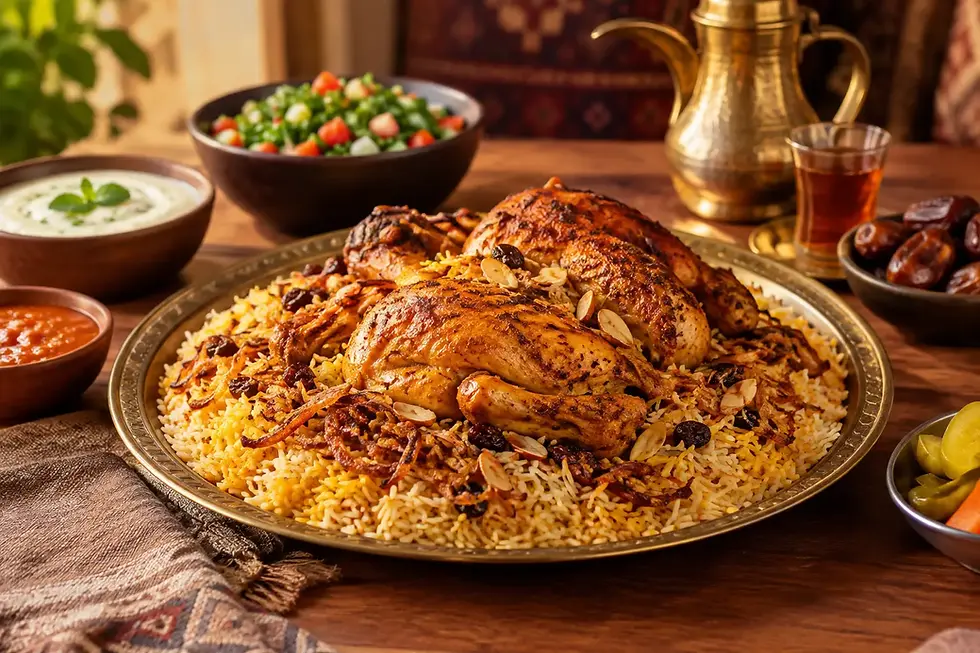
For guests new to Yemeni cuisine, Mandi is a natural place to begin. This celebrated dish centers on delicately seasoned rice and meat cooked slowly for deep flavor and tenderness. It is comforting without being heavy, with aromatic spices that carry through every spoonful of rice. Choose chicken for an easy, satisfying introduction, or lamb when the occasion calls for a fuller, more indulgent meal.
Kabsa is another excellent choice for anyone who enjoys richly flavored rice dishes. While Mandi is known for its gentle smoky character, Kabsa delivers a bolder, savory profile. Both are ideal for sharing, and the better option often comes down to personal preference. If your group is undecided, ordering a selection of platters lets everyone compare the flavors at the same table.
Haneeth is made for diners who appreciate slow-cooked lamb. The preparation focuses on tenderness and the natural richness of the meat, supported by spices used with care. It is a fitting centerpiece for family gatherings and special occasions, especially when served alongside rice, fresh salad, and traditional sauces.
Madghout offers another satisfying rice-and-meat experience, while Maqlubah provides a distinctive presentation built around rice and layered ingredients. For something more rustic and deeply comforting, Fahsa is a flavorful Yemeni meat dish best enjoyed with fresh bread. These dishes reward a slower meal, where conversation and shared plates have time to take their place.
Grills remain a dependable choice for guests who prefer familiar formats. Kebabs and freshly prepared grilled selections offer smoky, savory flavor and work well alongside rice or bread. A shawarma wrap is the practical answer for takeaway or a quick lunch, proving that an authentic meal can still fit a busy schedule.
Make the Meal a Shared Experience
Arabic dining is naturally generous. Rather than ordering narrowly, consider building a table around one or two signature rice dishes, a grill selection, fresh bread, and a dessert to finish. This approach gives guests variety while making the meal feel more social.
For a family of different ages, chicken Mandi or Kabsa is often an approachable main course, with kebabs or shawarma wraps as additional options. A group that already enjoys lamb may prefer Haneeth as the centerpiece. For office teams, mixed platters can make ordering easier and help accommodate different tastes without losing the sense of a proper shared meal.
Traditional Arabic beverages and desserts add a thoughtful final touch. They are especially welcome after a spice-forward meal and turn an ordinary lunch or dinner into a more complete occasion. There is no need to overorder, however. The right balance depends on the size of the group, the time available, and whether the meal is intended as a quick stop or a long catch-up.
From Glenmarie Dining to Convenient Ordering
A restaurant meal should work around your plans, not complicate them. Dine-in is ideal when the experience matters as much as the food: a family reunion, a client lunch, a birthday, or an evening where everyone deserves time at the table. The Glenmarie location in Shah Alam offers a welcoming setting for guests who want to enjoy the food fresh from the kitchen and take in genuine Arabian hospitality.
Takeaway and delivery are practical when time is short or the gathering is happening elsewhere. Rice dishes, grills, wraps, and sides can bring the same satisfying flavors to the office, home, or event venue. Ordering ahead is particularly helpful for larger groups, giving the kitchen time to prepare your meal with the attention it deserves.
Reservations are a sensible choice for weekend meals, celebrations, and groups. They help make arrival easier and allow your hosts to focus on the people around the table instead of last-minute logistics. For regular guests, a loyalty rewards program adds extra value to the meals they already enjoy.
A Reliable Choice for Corporate and Private Events
Food has a real role in how an event is remembered. A thoughtful menu can make a training session feel more welcoming, turn a client meeting into a more relaxed conversation, or give a wedding and family celebration a stronger sense of occasion. Middle Eastern catering is particularly well suited to this because its generous platters, familiar grilled options, and variety of rice dishes can serve diverse groups comfortably.
For corporate functions, the most successful menu is usually clear, abundant, and easy to serve. Mandi, Kabsa, grilled meats, kebabs, salads, bread, and desserts create a balanced spread without making guests guess what to choose. For private celebrations, adding signature dishes such as Haneeth or Fahsa can give the menu a more distinctive Yemeni character.
Catering needs vary by venue, guest count, schedule, and service style. A working lunch may call for straightforward platters and prompt setup, while an evening celebration may benefit from a broader menu and a more relaxed pace. Discussing these details early helps ensure the food fits the event rather than becoming another item on the organizer’s list.
Come Hungry, Leave Well Looked After
The best Middle Eastern meal is one that feels generous from the first welcome to the final cup or dessert. Whether you are choosing a hearty Mandi platter, sharing tender Haneeth with family, picking up a shawarma wrap, or planning food for an important event, choose dishes made with respect for their origins and served with genuine care.
Bring the people you enjoy most, order enough to share, and let a table of authentic Yemeni flavors make the occasion feel a little more special.


Comments