


Why Generous Portion Restaurant Meals Matter

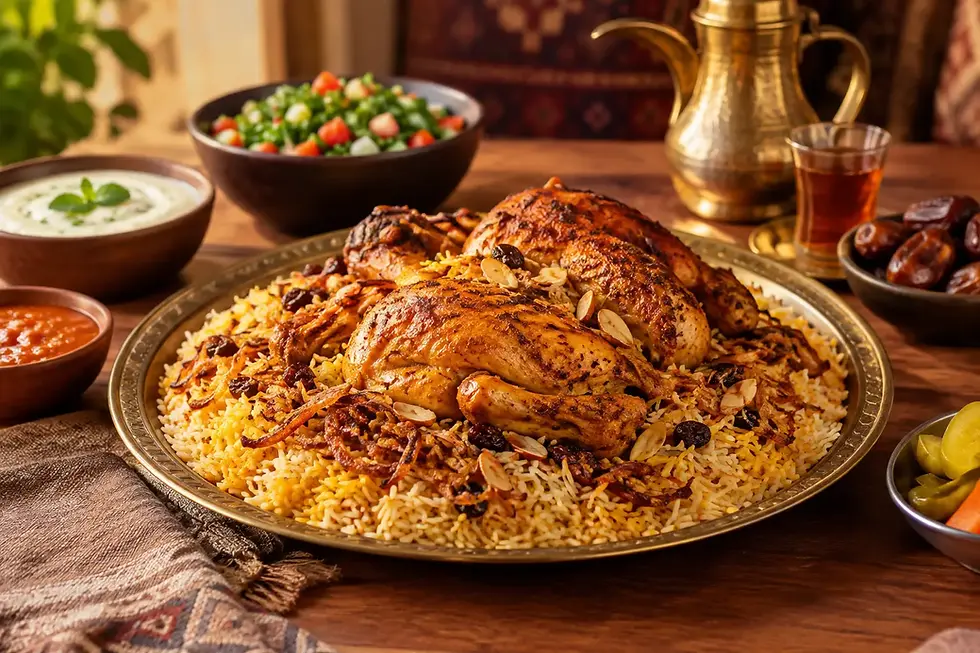
A table arrives with fragrant rice, tender slow-cooked meat, fresh salads, warm bread, and more than enough for everyone to reach in together. That is the appeal of generous portion restaurant meals: they turn a meal out into time well spent with family, friends, colleagues, or guests. For many diners, abundance is not simply about the size of a plate. It is about feeling welcomed, cared for, and confident that every person at the table can enjoy the occasion.
In authentic Yemeni and Middle Eastern dining, generous serving is closely tied to hospitality. A well-prepared shared meal creates room for conversation, second helpings, and the easy comfort of eating together. It is a style that suits a quick family dinner just as naturally as a corporate lunch, birthday celebration, or catered gathering.
Generous Portion Restaurant Meals Are About More Than Quantity
A large serving only feels meaningful when the food is prepared with care. Extra rice cannot make up for dry meat, and a large platter loses its appeal if flavors are inconsistent. The best generous portion restaurant meals bring together quality ingredients, traditional preparation, and balanced dishes that guests genuinely want to share.
Yemeni cuisine does this beautifully. Mandi and Kabsa, for example, are often centered on aromatic basmati rice layered with spices and served alongside chicken or lamb. The dish is substantial, but it is also carefully balanced: savory meat, fragrant rice, bright sauces, and fresh accompaniments each have a place on the table. Haneeth, known for its tender, slow-cooked meat, offers another satisfying choice when the occasion calls for something especially memorable.
The result is not a meal that feels excessive. It feels complete. Guests can choose the bites they enjoy, sample different flavors, and eat at a relaxed pace without worrying that the table will run short.
Why Shared Platters Make Gatherings Easier
Ordering individual meals has its place, especially for a quick lunch or a solo delivery order. But when several people are dining together, shared platters can make the experience simpler and more welcoming. Rather than everyone waiting for separate dishes or trying to coordinate many choices, a central spread gives the group something to enjoy immediately.
This approach works particularly well for families with different appetites. Younger diners may prefer rice, grilled chicken, or a shawarma wrap, while adults may want to explore richer dishes such as Fahsa, Madghout, Maqlubah, or fresh kebabs. A thoughtful order can include familiar favorites alongside dishes that invite guests to try something new.
For hosts, generous portions also remove a common concern: whether there will be enough food. There is reassurance in serving a table where guests can take what they need and still see a welcoming spread in front of them. That matters at celebrations, where a host should be able to focus on people rather than portions.
A Natural Fit for Family Dining
Middle Eastern food is made for the center of the table. Rice platters, grilled meats, dips, breads, salads, and desserts create a meal with variety, allowing every family member to build a plate they enjoy. It also gives parents a practical way to introduce children to new flavors without making the meal feel unfamiliar.
At Hadramawt Kitchen®, authentic Yemeni recipes are served with the kind of warm Arabian hospitality that makes families feel at home. As the original trademarked Hadramawt Kitchen® serving Malaysia since 2012, the restaurant brings traditional dishes and HALAL-certified quality together for meals that are satisfying, dependable, and welcoming.
Practical for Office and Corporate Meals
A generous shared order can also suit a workplace gathering. Whether it is a team lunch, client meeting, training session, or company celebration, food should support the occasion without creating unnecessary complications. A well-organized spread of rice dishes, grills, salads, and Arabic beverages is easy to serve and gives attendees a satisfying range of choices.
The key is planning for the group rather than ordering at random. Consider the time of day, number of attendees, dietary preferences, and whether the event requires full catering service or a simple delivery arrangement. For formal events, presentation and timing matter as much as portion size. For casual office lunches, straightforward dishes that travel well may be the better fit.
What Makes a Portion Feel Truly Generous?
Generosity looks different depending on the meal. A hearty Mandi platter may be ideal for a group, while a filled shawarma wrap can be the right level of comfort for one guest on the go. The goal is not to make every item oversized. It is to serve food in a way that matches the dining moment and leaves guests satisfied.
Several details make the difference. First, the main dish should have enough substance to anchor the meal, whether that is tender chicken, lamb, grilled kebab, or a rich stew. Second, accompaniments should be fresh and purposeful, not an afterthought. Finally, the food should arrive in good condition, with the temperature, texture, and aroma that make guests eager to eat.
For takeaway and delivery, this standard becomes even more important. Rice should remain fluffy, grilled meats should retain their tenderness, and sauces should be packed thoughtfully. Generous portions are most valuable when the care behind them travels well from the kitchen to the customer.
Choosing the Right Meal for the Occasion
The best order depends on who is coming to the table. For a relaxed weekend lunch, a Mandi or Kabsa platter with grills and a traditional dessert can create a full family experience. For a smaller gathering, a combination of kebabs, shawarma wraps, and sides may offer more flexibility. When guests are eager for a traditional Yemeni dish, Haneeth or Fahsa can become the centerpiece.
For larger events, it helps to balance crowd-pleasing choices with distinctive dishes. Familiar rice and chicken options provide an easy entry point, while Arabic beverages and desserts add a sense of occasion. If the gathering includes guests from different backgrounds, this balance is especially useful. Authentic food should feel inviting, not intimidating.
It also depends on how the food will be served. Dine-in guests can enjoy the full experience of hot platters arriving at the table. Takeaway customers may prefer dishes that are easy to share at home. For catering, the right menu should reflect the event schedule, venue setup, and guest count. A restaurant experienced in corporate functions, private events, and family celebrations can help make these choices feel straightforward.
Generosity Requires Consistency
A memorable meal is rarely about one impressive plate. It is about the confidence that the next visit, delivery, or event order will be handled with the same attention. Consistent portions, reliable preparation, clean presentation, and respectful service all shape whether guests feel comfortable returning.
For HALAL-certified dining, trust is part of that experience. Guests want to know that the food is prepared with care and that the standards behind the kitchen match the promise on the menu. When authenticity, quality, and service work together, a generous meal becomes more than a convenient answer to hunger. It becomes a place people are happy to recommend.
Make Room for a Better Meal Together
There is a quiet difference between simply serving food and making people feel looked after. A generous table gives guests permission to settle in, share stories, try another spoonful, and stay a little longer. Whether you are arranging dinner with loved ones, ordering for the office, or planning an important event, choose dishes made to bring people together - with authentic flavor, thoughtful portions, and hospitality that lasts beyond the final bite.


Comments